CongKong: AI Content Factory
Building a Gemini multi-agent system and RAG-powered validation pipeline to automate high-fidelity technical content generation.
Technologies Used
Scope & Context
Founding Engineer project targeting high concurrency, real-time sync, or custom system designs.
Codebase Link
The Problem
Generating high-volume, search-optimized technical content is incredibly slow and expensive when done manually. However, simple one-shot LLM prompts fail because the AI produces generic, dry text and suffers from factual hallucinations (incorrect tech facts or broken code snippets).
To be valuable in production, AI-generated content needs to be factually accurate, structured, SEO-optimized, and automatically formatted for publishing without constant manual human intervention.
The Solution & Architecture
As a Founding Engineer, I built an autonomous multi-agent content factory powered by the Gemini API and Supabase:
- Multi-Agent Orchestration: Created distinct AI agents (Research, Technical Writer, and SEO Expert) that cooperate to process source ideas into structured posts.
- RAG Validation Pipeline: Integrated a Retrieval-Augmented Generation check using vector embeddings. The pipeline compares the output against a curated knowledge base of trusted documents to detect and discard hallucinations.
- Auto-Deployment Automation: Utilized n8n and WordPress REST APIs to parse markdown outputs, format tables and images, inject SEO tags, and publish posts automatically.
Engineering Deep Dive
Our initial agent pipeline struggled with conversational drift and infinite validation loops. The Technical Writer Agent and the SEO Agent would pass revisions back and forth indefinitely, bloating token costs and degrading article quality.
I resolved this by refactoring the system into a Directed Acyclic Graph (DAG) state machine using LangGraph. I defined rigid input and output schemas (zod structures) for each node.
Under this model, the SEO Agent is limited to a single validation pass, generating structured modification instructions. The final article must pass through a strict semantic evaluator node. If the semantic similarity score between the generated draft and the source documentation falls below 85%, the system halts, logs the discrepancy, and alerts an editor, ensuring absolute quality control.
Related Reading: To read a complete architectural deep dive explaining how I designed the RAG engine and LLM multi-agent pipelines for this factory, read my post: How I Built the CongKong AI Content Factory.
Quantifiable Metrics
30-Minute Turnaround
Reduced content delivery cycle from ~2 weeks to under 30 minutes from approval to publication.4x Output Increase
Increased output of high-quality, publishable content by 400% through complete automation.90% Time Saved
Slashed manual Subject Matter Expert (SME) revision time by 90% via RAG fact-verification checks.25h/mo Saved
Saved 25+ hours per month of operations work by automating layout, taxonomy, and WordPress publishing.Visual Showcase
Screenshots, dashboard metrics, and recorded event videos proving the system running in real-time.
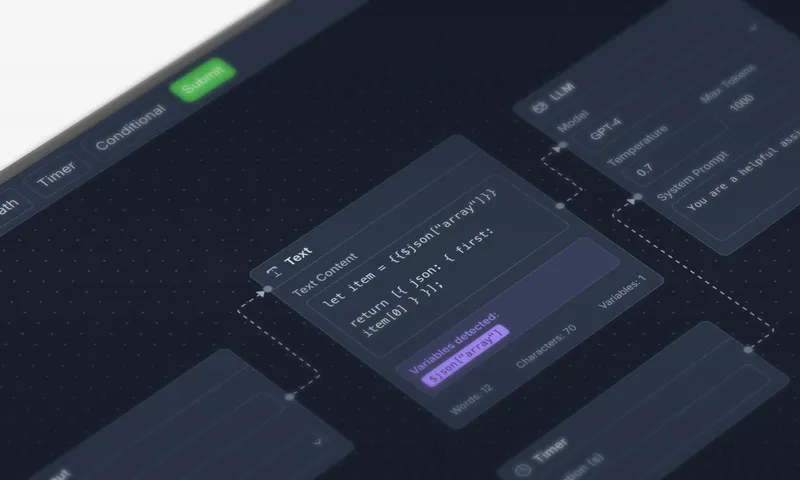
CongKong's AI Content Factory dashboard displaying scheduled blog pipelines and multi-agent queues.

RAG-backed factual validation checkpoints and semantic similarity scores.