LiveVote: Real-Time Polling Engine
Architecting a highly concurrent, zero-loss real-time voting infrastructure handling traffic surges without database locks.
Technologies Used
Scope & Context
Founding Engineer project targeting high concurrency, real-time sync, or custom system designs.
Codebase Link
The Problem
Standard polling applications often fail during live events due to massive database write contention. In a typical database setup, having thousands of users vote within a short window causes severe path-level write contention and locks under concurrent load.
This contention depletes thread pools, causes connection timeouts, and drops critical vote transactions, leading to a frustrating user experience and inaccurate metrics during live interactive broadcasts.
The Solution & Architecture
I designed a decoupled buffer-and-process architecture to separate incoming HTTP traffic from database write cycles:
- In-Memory Buffer (Redis): Incoming votes are immediately ingested into a memory-efficient Redis list acting as a FIFO queue, returning a
202 Acceptedstatus to the user in<15ms. - Firebase Realtime DB Sharding: Instead of incrementing a single counter, I implemented a Distributed Counter Sharding pattern. Every poll counter is split across distinct database shards.
- Asynchronous Worker Nodes: A group of lightweight Node.js consumer daemons pull vote batches from the Redis queue and write updates to random shards in Firebase, avoiding database write contention.
Engineering Deep Dive
The toughest roadblock was dealing with uneven shard distribution (hotkey clustering). Under random shard assignment, statistical clustering led to certain shards receiving concurrent writes, re-triggering contention warnings.
To solve this, I replaced random selection with a consistent hashing algorithm. Using a custom distribution ring based on the voter's salted session ID, I ensured votes from different sessions mapped evenly to distinct shards.
Additionally, I built a scheduling service that runs every 5 seconds to query the shards, aggregate the numbers, and update a single materialized read-view document, ensuring clients can fetch clean poll totals with a single read operation instead of reading all shards on every page load.
Related Reading: For a deeper comparative analysis of backend JavaScript engines and why Node.js or Bun are suited for high-concurrency tasks, read my article: Node.js vs Bun vs Deno: The Ultimate JavaScript Runtime Comparison.
Quantifiable Metrics
1200+ CCU Scaled
Scaled Firebase Realtime DB to 1200+ CCU by redesigning data sharding, eliminating write contention under peak load, and achieving sub-32ms p99 latency.30ms Write Latency
Load-tested the write path to 1,500 simulated concurrent users via custom injection scripts, sustaining a 30ms p99 write latency.100% Write Success
Achieved 100% data write consistency without encountering Firebase Realtime DB transaction limits.95% Cost Reduction
Decreased client database read costs by 95% using the materialized aggregation read-view.Visual Showcase
Screenshots, dashboard metrics, and recorded event videos proving the system running in real-time.
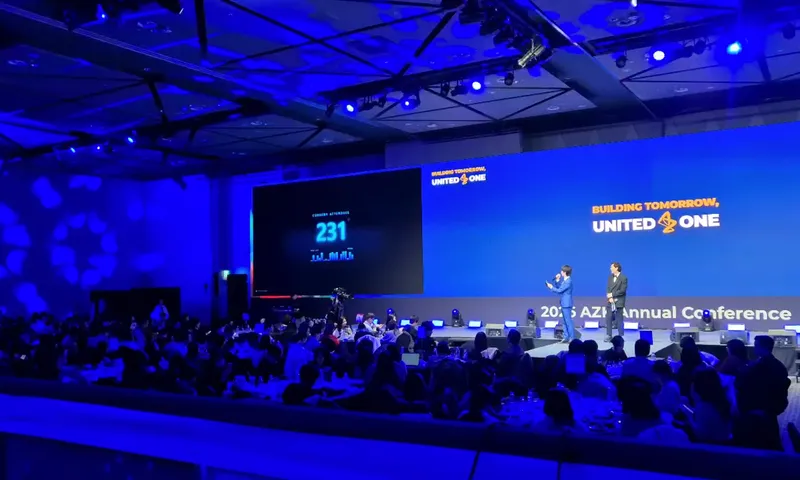
LiveVote production dashboard showing attendee participation metrics.
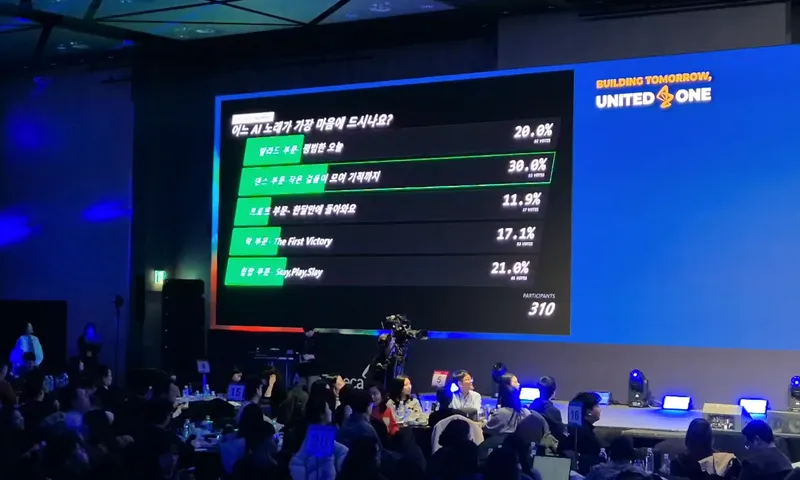
Real-time voting queue and database write sharding visualizer.